

Research HighlightsTrout Breeding and Feeding Research Increases Soy Use
Highlights:
- Breeding and feeding research work together to shift aquaculture reliance on fishmeal to soy ingredients to reduce feed costs.
- Technical research on gut health and easing nutrition trial bottlenecks supports increases in soy inclusion rates in aquafeeds.
By Laura Temple
The U.S. aquaculture industry has been growing over the past couple decades. The U.S. imports about 80% of its seafood consumption, according to the National Oceanic and Atmospheric Administration (NOAA). That growth and potential for ongoing expansion position the industry to help reduce that import deficit.
“Feed prices, due to a traditional reliance on fishmeal, have limited aquaculture growth,” says Jake Bledsoe, assistant professor and aquaculture extension specialist for the University of Idaho. “We’ve emphasized shifting that feed to higher soybean meal inclusion to stabilize costs while maintaining nutrition.”
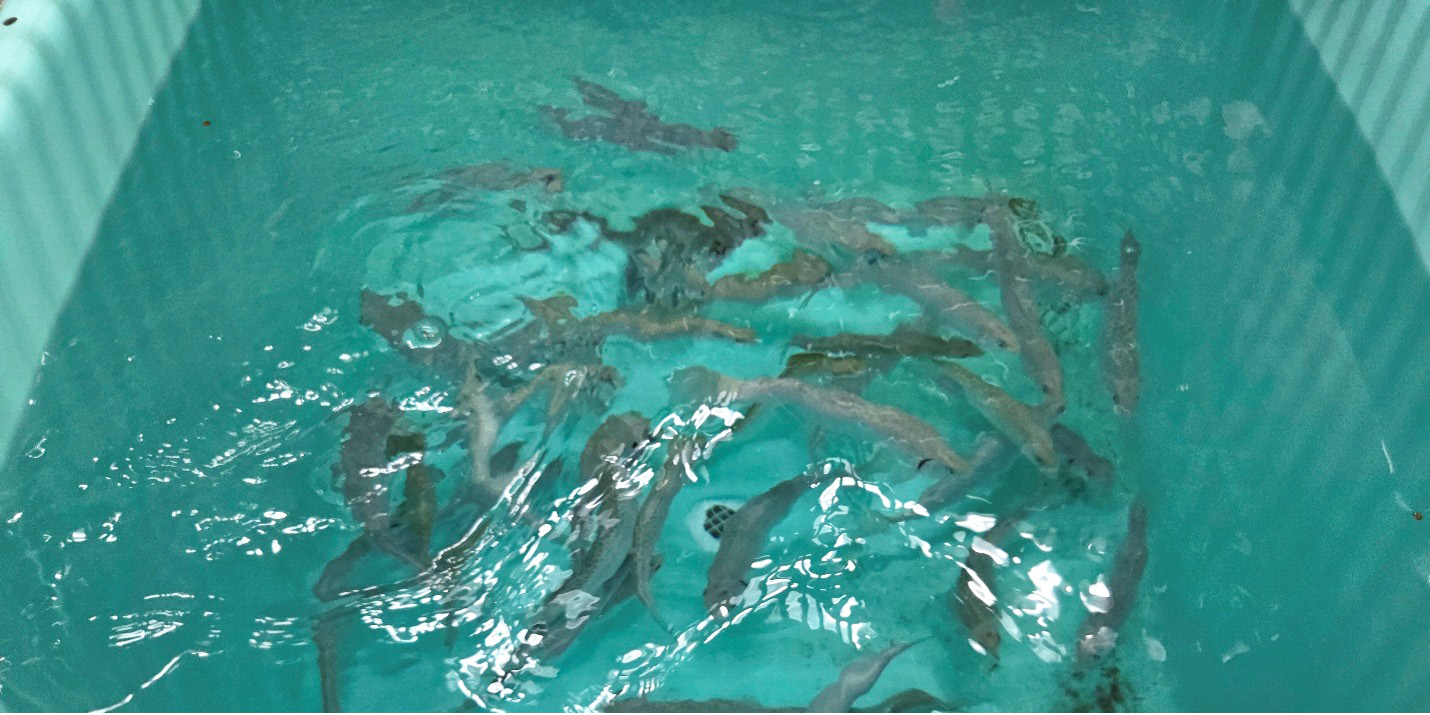
In support of that goal, the USDA Agricultural Research Service has funded a selective trout breeding program at the University of Idaho’s Hagerman Fish Culture Experiment Station in Hagerman, Idaho, since 2002. Over time, that program has developed a line of rainbow trout adapted to a diet using soy proteins to replace all the fishmeal. In controlled research trials with this soy-based protein diet, the adapted trout line reaches a typical harvest size roughly one month sooner than a commercial trout strain. The adapted trout also show indicators of better intestinal health and less gut inflammation.
To complement this breeding program, the Soy Aquaculture Alliance funds additional Soy Checkoff investments in feed research. Funding from the National Institute for Food and Agriculture and regional aquaculture centers also support this work. Related research projects seek to streamline fish nutrition research, understand and overcome barriers for soy ingredients in aquafeed to increase soy use.
“From a farm management perspective, trout are kind of like swimming pigs,” Bledsoe says.
The comparison connects aquaculture with production systems more familiar to soybean farmers. Like pigs or poultry, farmed fish depend on carefully balanced diets, improved genetics, health management and efficient growth, though their biology and production environment are a bit different.
Understanding Gut-Level Soy Nutrient Use
One current University of Idaho research project led by Marina Subramaniam, senior research fellow, and Brian Small, professor of fish physiology, seeks to understand how soy impacts gut health in rainbow trout and Atlantic salmon. As in terrestrial livestock and human nutrition, a healthy digestive system correlates with overall health and growth.
This project focuses on methionine, an essential amino acid fish must get from feed. The research team is comparing how rainbow trout and Atlantic salmon absorb methionine along the intestine and into the bloodstream when fed soy-based versus fishmeal-based diets. As they learn more about how species and diets interact with gut function, they can better explain how soy affects digestion, growth and overall health.
The next steps will be isolating specific anti-nutritional components of soy and learning how to eliminate them or mitigate their interference with the digestive system. With this knowledge, the aquafeed industry can adjust feed formulations, processing and other factors to increase soy inclusion levels in feed for salmonids.
Knowledge from work like this, funded by the Soy Aquaculture Alliance, can also inform feed and gut health research in other fish species.
Machine Learning Eases Analytical Bottleneck
Histopathology, or the microscopic study of signs of disease in biological tissues and cells, plays a critical role in feed research. In higher-value carnivorous fish like salmon and trout, a component in soybean meal can cause intestinal inflammation, a condition called enteritis.
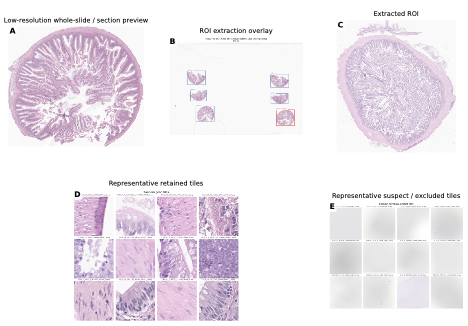
“The gold standard to test new diet formulations is conducting nutrition feeding trials followed by evaluations of intestinal health and abnormalities,” says Bledsoe.
Creating slides of intestinal tissue allows for identification and assessment of the severity of any inflammation or abnormalities.
“Interpretation of those slides requires specialized expertise that is in high demand,” he explains. “Histopathologists often require months to analyze slides from a large feed study.”
To address this bottleneck, Bledsoe began training a type of machine-learning model used in medical research to recognize enteritis in fish intestines, with Soy Aquaculture Alliance support. He sourced slides from completed trout nutrition trials to create a training dataset.
“Severe enteritis has become less common in our recent feed-trial research, likely because of progress in breeding and feed formulations, so our training dataset had relatively few clinically severe examples,” Bledsoe reports. “Even with that limitation, this project demonstrates that machine-learning tools can detect meaningful intestinal inflammation patterns in digitized trout tissue. With additional validation and refinement, this type of screening could help pathologists prioritize slides for expert review, reduce analytical bottlenecks and speed up nutrition trial evaluation.”
With improvements and refinements, he believes computer screening could be used regularly to speed the analytical process following nutrition studies. That would make it easier to identify new-diet formulations or feed-ingredient treatments like enzymes or fermentation processes that can increase soy inclusion rates in aquafeed.
This research exemplifies the technical work that allows U.S. aquaculture to reduce feed costs by using more soy-based ingredients. It echoes research in pigs and poultry that has resulted in soybean meal serving as a primary protein source for feed. Ongoing work will allow soy to deliver protein to farmed fish, as well.
Additional Resources
Optimizing Soy Feed for Trout, Salmon – Soy Aquaculture Alliance webinar
ML Histology Analysis: Rainbow Trout Intestinal Histology
Soybean Antinutritional Factors and Strategies for Improving Soy Utilization in Sensitive Fishes – USEEC technical bulletin
Research Brief: Selecting Soy-Friendly Trout – SAA research brief
Increasing Soybean Meal Use in Aquaculture Diets – SRIN article
Farm-raised fish fed a full diet of farm-raised soybeans based on SAA research – SRIN article
Meet the Researchers:
- Jake Bledsoe University profile
- Brian Small University profile
- Marina Subramaniam LinkedIn profile
The Soybean Research & Information Network (SRIN) is funded by the Soy Checkoff and the North Central Soybean Research Program. For more information about soybean research, visit: https://www.soybeanresearchdata.com/Project.aspx?id=55646 and https://www.soybeanresearchdata.com/Project.aspx?id=55474.
Published: Sep 28, 2026


