

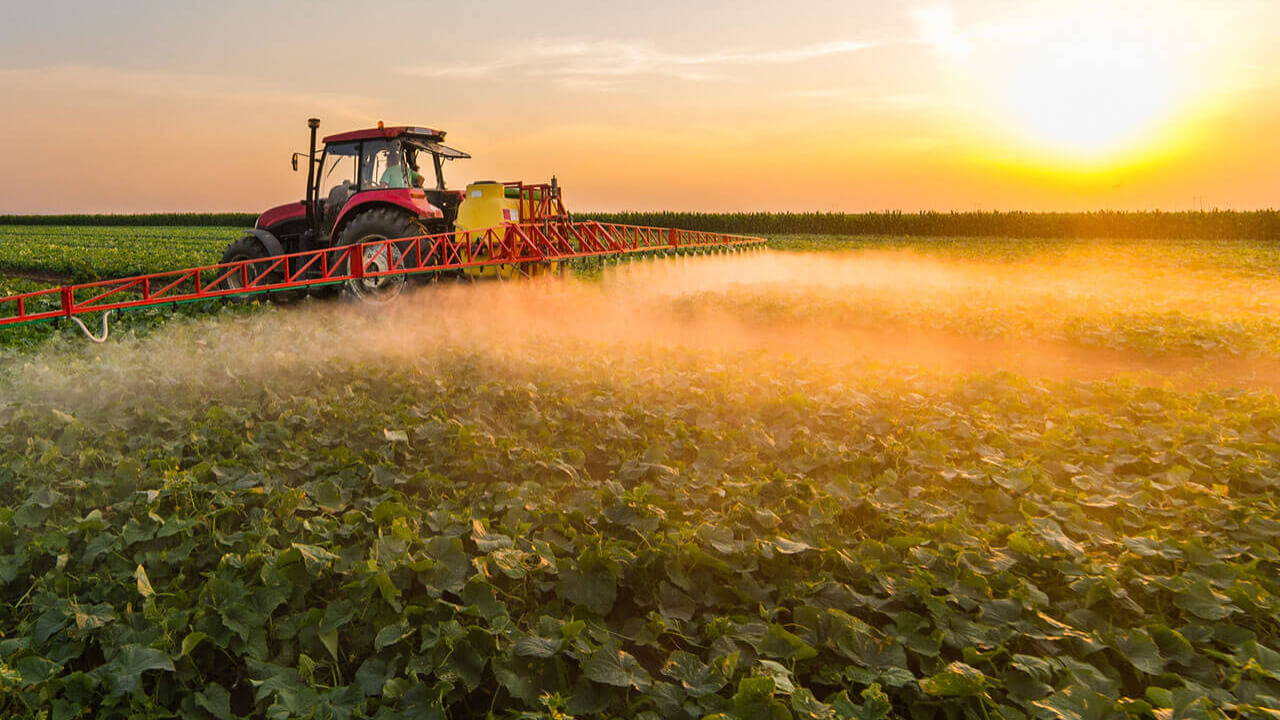
Mark VanGessel – Soybean Research Profile
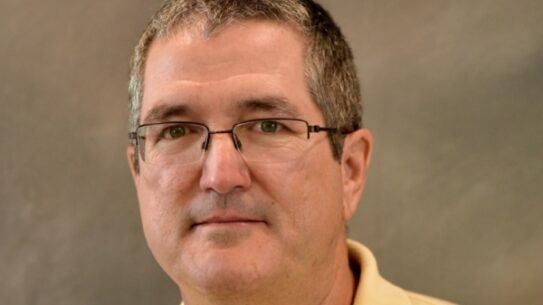
Mark VanGessel, Professor and Extension Specialist, Weed Science and Crop Management, University of Delaware
Why did you decide to pursue a career that includes soybean research?
Early in college, I was interested in overall food production. As a Peace Corp volunteer, I saw how important food production is. That led me to study agronomy, and then pest management and weed control. My current research includes soybeans as a major crop in this area.
What research topic have you completed in the past or are working on now that could have or has had the most significant impact on soybean production?
My work on herbicide resistance has been very valuable to farmers. We’ve been dealing with this challenge for more than 25 years, and it has been a major part of my research program. Farmers need tools and strategies to manage weeds as they develop resistance to herbicides to protect crop yield.
How has the Soy Checkoff enhanced your ability to find answers to production problems for farmers?
The value of the Soy Checkoff starts with the process. Local farmers sit on the board that invests these funds, and that’s where many ideas for research come from. In Delaware, the soybean board is the only commodity board, making them a primary source of funding for applied research that helps them.
Within your area of expertise, what are the top two or three general recommendations you would offer farmers to improve their management practices?
My mantra for effective weed control is to use the right rate of the right product at the right time. Of those three factors, the right time is most important.
Within your area of expertise, what do you consider to be critical soybean research needs that can impact the profitability of famers in the future?
We need to research non-chemical strategies to manage herbicide-resistant weeds. I expect integrated weed management strategies will become more regional, as different strategies will be most effective in different areas. Understanding that will require intentional regional research. We are not seeing new chemistries for herbicides, and those that are developed are less effective than past options. As we move away from complete reliance on chemical weed control, farmers need complementary strategies to combat weed resistance.
SRIN articles:


