


Research HighlightsResearch Targets Higher Soybean Yields with Biostimulants
Highlights:
- Louisiana research is studying the potential of beneficial microorganisms commonly used in Brazil to boost soybean yields and reduce need for synthetic fertilizer.
- Application method impacts microbial viability.
- The research is also investigating nickel supplements, a micronutrient essential for nitrogen use in soybeans.
Reprinted with permission from the 2025 Louisiana Soybean & Grain Research & Promotion Report, September 15, 2025
By Tobie Blanchard, LSU AgCenter
Saulo Castro, a sugarcane and soybean agronomist with the Louisiana State University AgCenter, is leading a new research initiative focused on enhancing soybean yields through the use of microbial biostimulants, with funding support from the Louisiana Soybean and Grain Research and Promotion Board. Originally from Brazil, Castro brings a wealth of experience in biological products, soil science, and plant nutrition and physiology, and he’s applying that expertise to Louisiana’s unique agricultural landscape.
Since joining the LSU AgCenter in September 2025, Castro has been investigating the potential of beneficial microorganisms — specifically Bradyrhizobium and Azospirillum — to improve soybean productivity. These microbes, commonly used in Brazil, are largely underused in Louisiana, despite their potential to increase yields and reduce reliance on synthetic fertilizers.
“Most producers here aren’t using microorganisms in their systems,” Castro said. “But they’re relatively inexpensive and can offer multiple benefits not just to the plant, but also to the soil and the environment.”
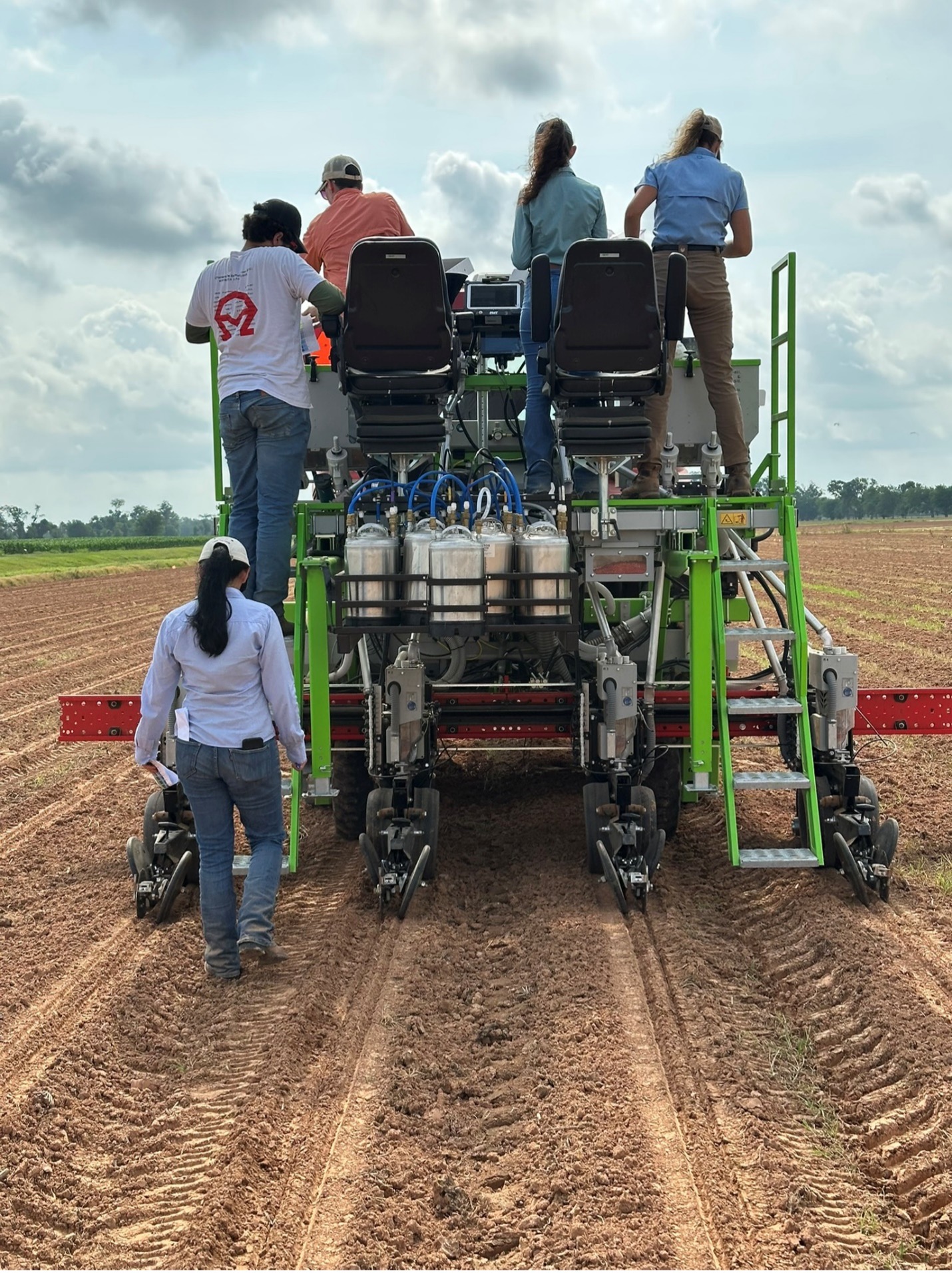
One of the key innovations Castro is testing is the method of microbial application. Castro said while seed treatments are common, they often expose microbes to high temperatures and chemical compounds that reduce their viability. He is looking at an in-furrow application method, where microbes are sprayed directly onto the seed during planting. This approach, widely adopted in Brazil, was shown to increase microbial viability by 50% to 75% and boost yields by 25% to 35%.
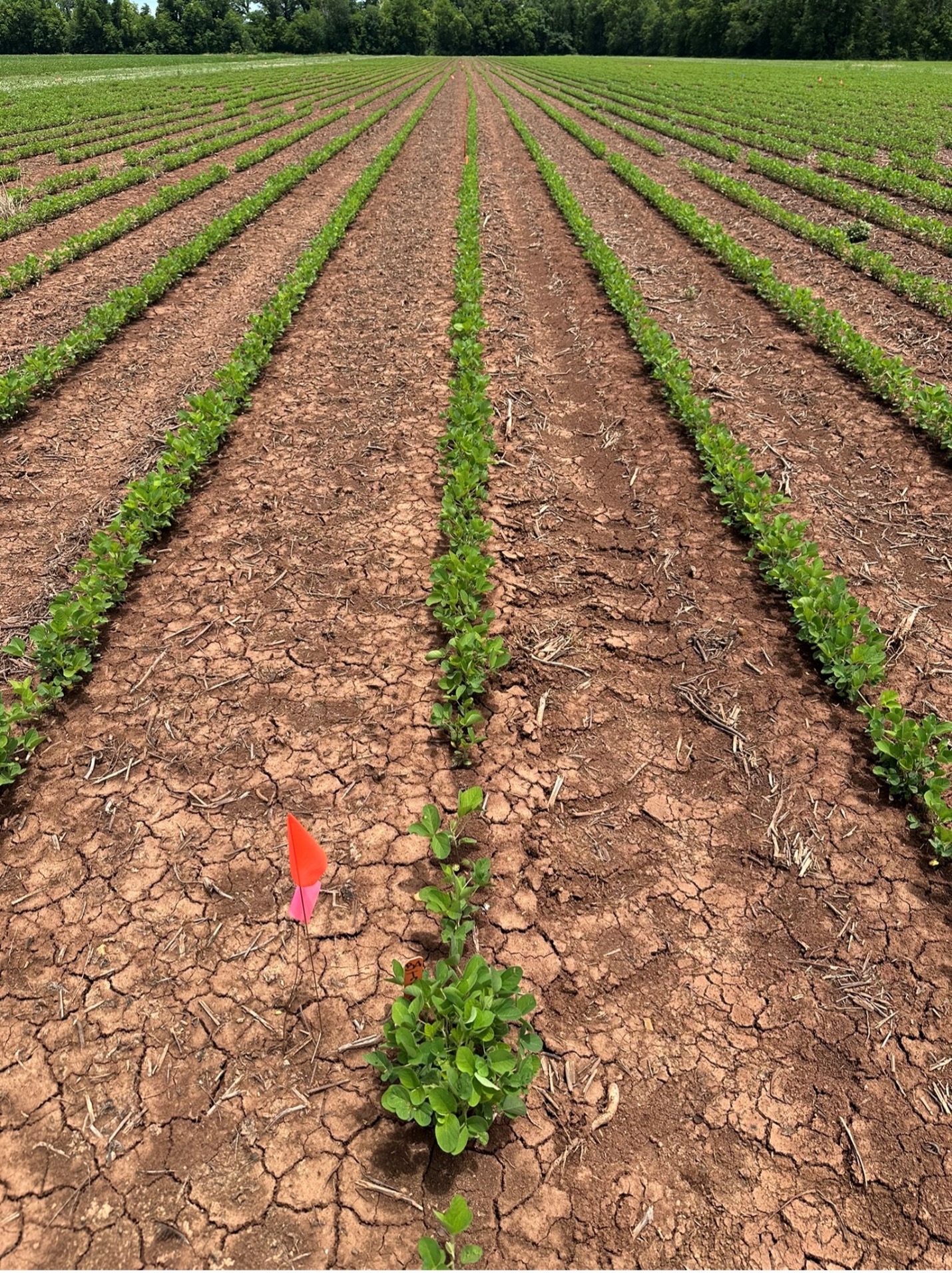
To evaluate this method in Louisiana, Castro has established four multi-year trials across two AgCenter research stations — Dean Lee and Iberia. These trials span different soil types (clay and silt loam) and soybean maturity groups (4.0 and 5.4), allowing researchers to assess how soil and genotype influence microbial performance.
“We’re trying to build a microbial colony in the soil over time,” Castro explained. “You might not see the full benefits in the first year, but with repeated applications, the microbes can establish and begin to significantly impact plant health and yield.”
The research also explores the effects of combining Bradyrhizobium, which is already present in Louisiana soils, with Azospirillum, a microbe originally isolated in Brazil. Together, these organisms can enhance root growth, increase nodule formation and improve nitrogen fixation, all key factors in plant development and yield.
Another important aspect of Castro’s work is the role of nickel, a micronutrient for plants, which is essential for the enzymes involved in nitrogen metabolism.
Castro said nickel was only recognized as a plant micronutrient in 2005, and recent studies in Brazil and China have shown that nickel supplementation can improve nodulation and nitrogen use efficiency.
Castro aims to determine whether Louisiana soils exhibit nickel deficiencies and, if so, what application rates would be most effective.
“Nickel is critical for enzymes like urease, which help convert nitrogen into forms the plant can use,” Castro said. “Too little nickel can limit nitrogen fixation, while too much can be toxic. It’s a delicate balance.”
Ultimately, Castro’s research is focused on improving belowground plant health — root development, nodulation and microbial interactions — with the goal of increasing yields and reducing the need for synthetic fertilizers.
“This is all about building a more sustainable system,” he said. “If we can improve root growth and nutrient uptake, we can help farmers get better yields while using fewer inputs.”
The trials will continue for at least three years, with researchers monitoring both immediate and long-term effects on soybeans.
Additional Resources
Research Targets Higher Soybean Yields with Biostimulants – LSU AgCenter publication
Pioneering Protein Biostimulant Research in Soybeans – SRIN article
Developing Soybean Seed Treatment and Biofertilizer from Beneficial Bacteria – SRIN article
Soybean Nitrogen Nutrition – Science For Success fact sheet
Meet the researcher: Saulo Castro University profile
The Soybean Research & Information Network (SRIN) is funded by the Soy Checkoff and the North Central Soybean Research Program. For more information about soybean research, visit the National Soybean Checkoff Research Database and the 2025 Louisiana Soybean & Grain Research & Promotion Report.
Published: Feb 9, 2026


