

Research HighlightsEvaluating the Fit for Fertility Alternatives
Highlights:
- Though foliar fertilizers didn’t produce statistical yield boosts in Virginia trials, some products provided numerical increases in some plots that farmers may consider worthwhile.
- Farmers should seek evidence that alternative soil amendments address soil chemistry needs before switching from traditional, proven products.
By Laura Temple
Farmers seeking incremental — and inexpensive — soybean yield improvements can turn to myriads of alternative fertility products now available. Ag retailers, startups and established companies tout the value of everything from foliar micronutrients to nontraditional soil amendments.
Mark Reiter, professor of soils and nutrient management at Virginia Tech, and then-graduate student Joseph Haymaker, now a post-doctoral associate at Virginia Tech, led research to compare options and help farmers figure out what options make sense for their soybeans. The Virginia Soybean Board funded the work.
“Soil tests don’t account for all micronutrients, and everyone’s situation is different,” Reiter says. “When input prices are high and soybean prices are low some farmers are reluctant to use full fertilizer recommendations from soil tests. In that environment, farmers more readily consider less traditional options to save money.”
Reiter’s team evaluated a variety of foliar fertilizers for soybeans and an alternative soil amendment to address soil pH.
The Complexity of Foliar Fertilizers
Reiter says foliar fertilizers intrigue farmers, especially with current attention on micronutrients.
“Foliar feeding can quickly fix nutrition problems,” he explains. “Farmers can easily add a foliar product to any planned in-season spray application.”
The variety of products available, proprietary nutrient combinations and uncertain crop needs make evaluating foliar fertilizer performance complicated.
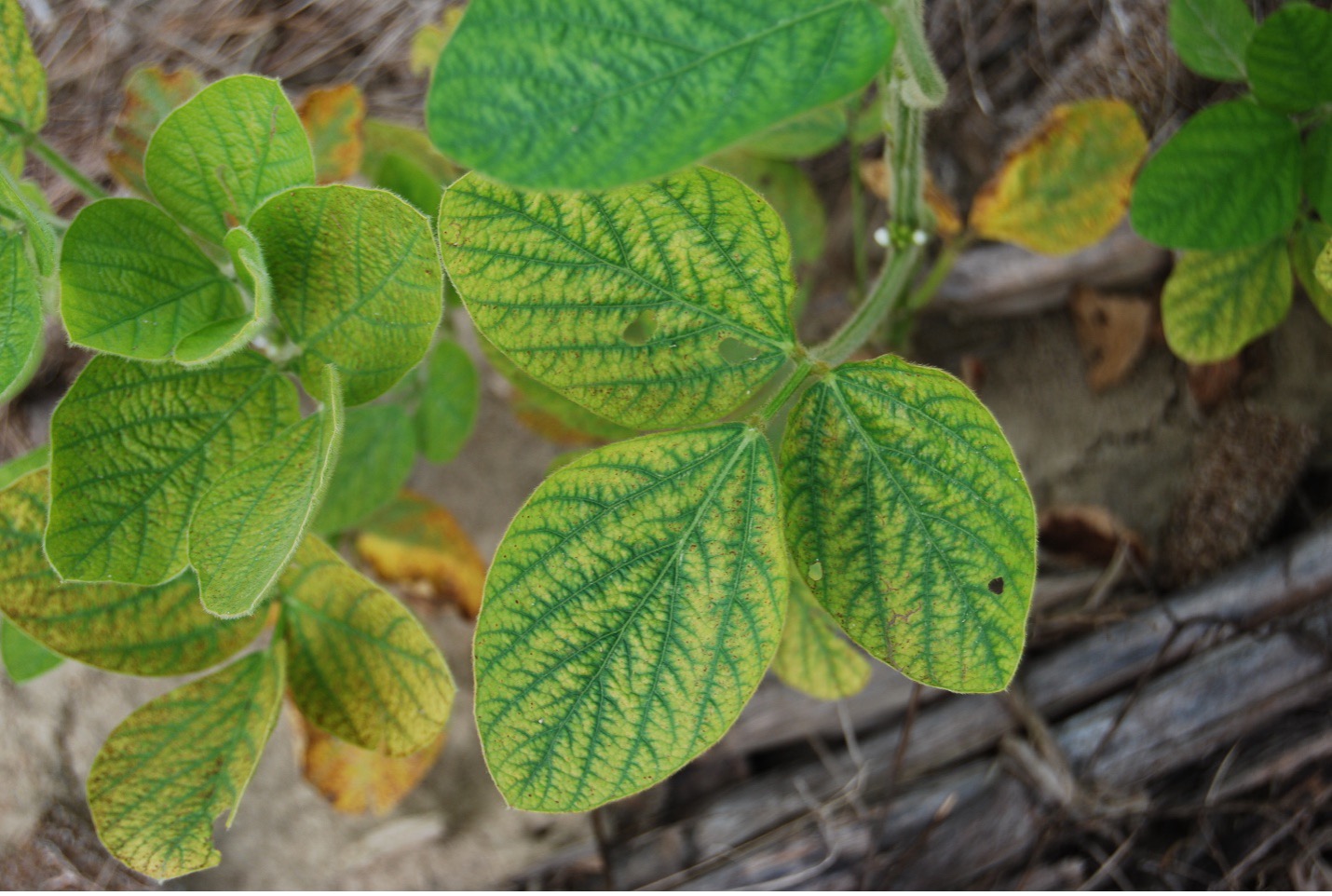
“Most products contain five to eight micronutrients,” Reiter says. “That makes it difficult to identify which nutrient or nutrients in a product met a hidden need in a given soybean crop. In our trials, nutrient needs seemed to really vary.”
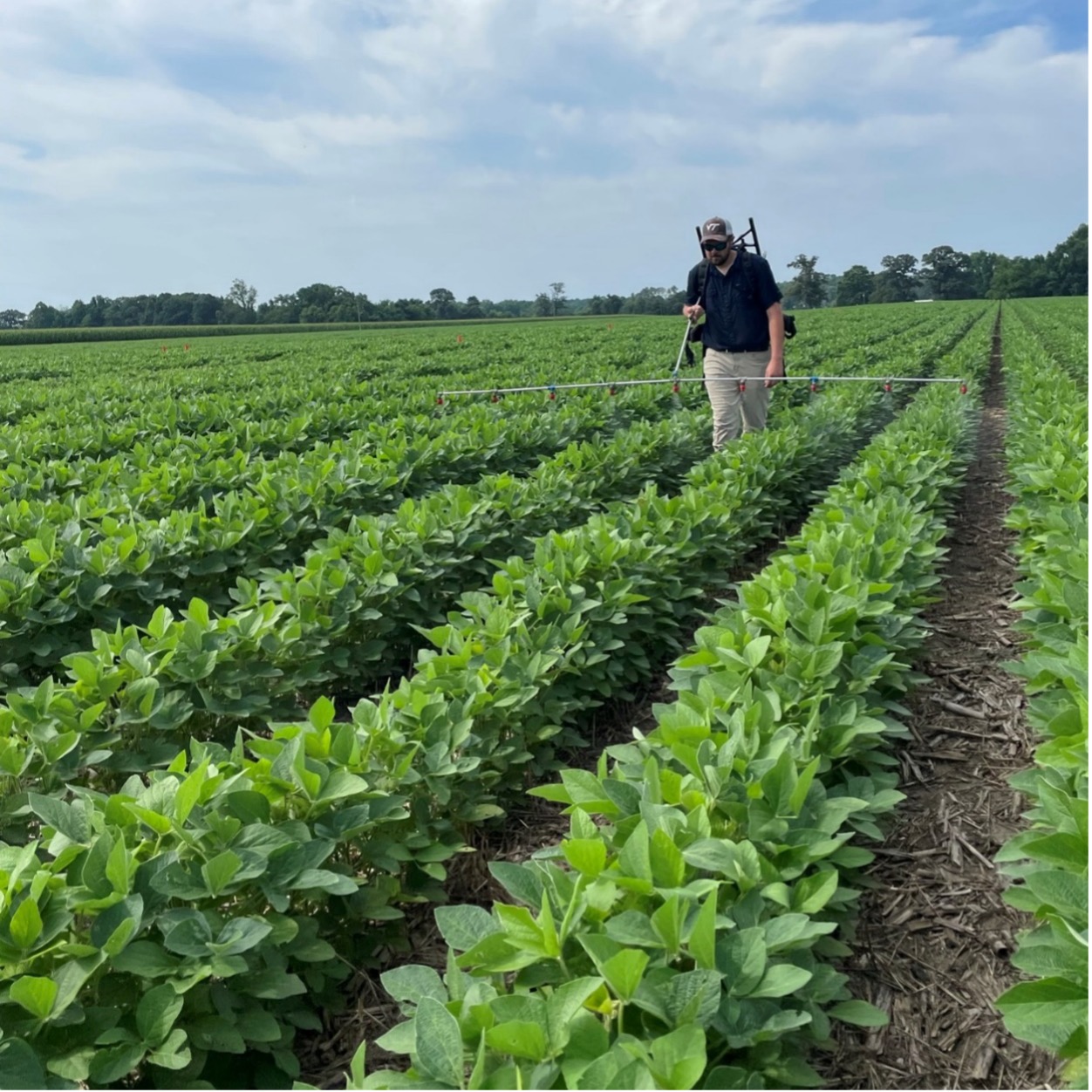
The team surveyed Virginia extension agents about the foliar products farmers ask about or use the most. From that, they compiled a list of products to compare. The trials, in two locations, compared 10 foliar fertilizer products to a control with no foliar fertilizer, as well as one program that Reiter described as “the kitchen sink,” that used multiple products to cover most micronutrients.
“When we looked at yield, statistically nothing performed better than the control with no foliar fertilizer,” he reports. “But numerically, some treatments did yield more than the control.”
For example, treatments in some plots yielded as much as 6 bushels per acre more than the control. While statistically this increase was not significant, mathematically that number does matter to farmers. However, no clear patterns emerged for specific products or micronutrients. Reiter believes that with more site years of data, statistical differences may appear.
He also believes additional research would identify factors to help farmers efficiently figure out what nutrients and micronutrients soybeans need in varying soil and climate conditions. That would help them choose a foliar fertilizer most likely to produce a direct yield response.
The Simplicity of Soil Amendments
In much of Virginia, acidic soils move toward a pH of 5 without intervention. Reiter says farmers must apply lime every three years. Lime neutralizes the acid in the soil, supporting crop production.
“Basalt rock dust was positioned as an alternative to lime, but no independent data backed that up,” he says. “We compared it directly with dolomitic lime, applying the basalt at the recommended rate of double that of live to evaluate its effects on soil chemistry.”
The team found that the tested basalt rock dust product did not provide a ton-for-ton replacement for lime. Even when applied at twice the lime rate, it still fell short of the expected neutralizing effect on soil. Chemical analysis indicated it would need to be applied at roughly 7.5 times the lime rate to deliver an equivalent pH adjustment.
“With so many fertility products, farmers need to know the basic chemistry of their soils and crops,” Reiter says. “Whatever products they choose, farmers need to be sure soybeans can access both soil and foliar nutrients.”
He recommends combining soil and foliar tools. He also encourages farmers to pay attention to the nutrients and properties in the products they choose, to ensure they meet basic crop needs.
Additional Resources
Considerations for Successful Tissue Testing in Soybeans – Virginia Tech article
Virginia Agronomy Handbook: Part VIII. Soil Testing and Plant Analysis – Virginia Tech publication
Foliar Fertilizers Rarely Increase Soybean Yield – SRIN article
Foliar Fertilizers in Soybean Production – YouTube video
Determining the Impact of Foliar Nutrient Feeding on Soybean Yield – SRIN article
Turning By-products into Products: Can Acidic Soils be Amended from Sugarbeet Lime? – SRIN article
Meet the Researcher: Mark Reiter SRIN profile | University profile
The Soybean Research & Information Network (SRIN) is funded by the Soy Checkoff and the North Central Soybean Research Program. For more information about soybean research, visit the National Soybean Checkoff Research Database.
Published: May 18, 2026


