

Research HighlightsHow Soybean Growth Habit Factors in Variety Selection
Highlights:
- In areas where both indeterminate and determinate soybeans grow, research investigated the impact of soybean growth habit on yield.
- Trials compared soybeans of the same maturity but different growth habits at planting dates for full-season, double-crop and ultra-late systems, finding no consistent yield differences.
By Laura Temple
Farmers aim to develop good habits, like remembering to switch fields on the cab computer, while breaking bad habits, like letting parts and repair receipts get mixed into field meal garbage.
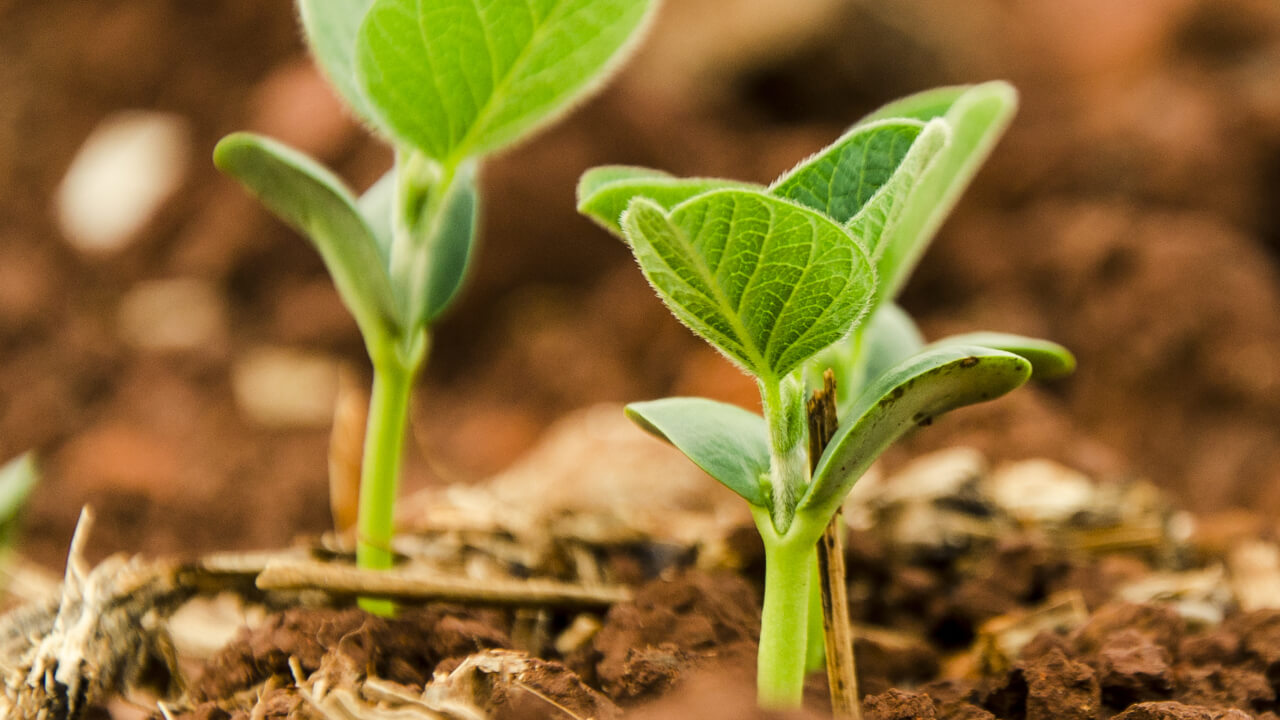
Soybeans just carry growth habits: determinate and indeterminate. These terms refer to how a soybean variety transitions from vegetative to reproductive growth stages.
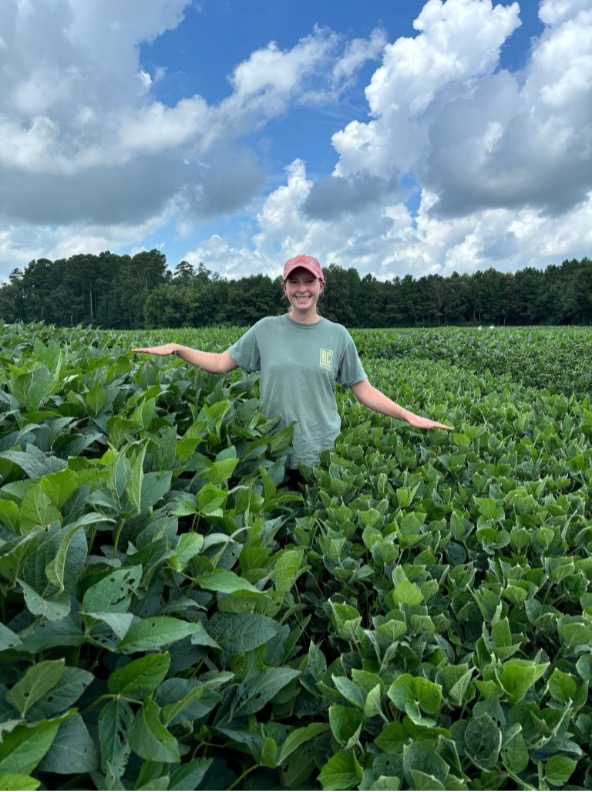
“Determinate soybeans stop vegetative growth on the main stem when they start to flower,” explains soybean agronomist Rachel Vann. “Indeterminate soybeans continue to produce vegetative growth on the main stem while flowering for some period of time.”
Vann notes that historically, maturity group and growth habit have gone together. Generally, soybeans in MG 4 and earlier have indeterminate growth, while varieties from mid-MG 5 and later grow determinately.
In many areas including North Carolina, farmers have been shifting to earlier-maturing soybeans, where they have been seeing some success in the form of higher yields from MG 3 and 4 indeterminate soybeans.
“As a result of these management trends, farmers think positively about indeterminate soybeans,” Vann says. “Seed companies have started breeding soybeans in later maturity groups with the indeterminate growth habit, so growers have questions about the value.”
They tend to associate indeterminate soybeans with resilience to stress.
“Soybeans flower for several weeks, regardless of growth habit,” she reminds. “That allows all soybeans to tolerate stress. Does growth habit actually make soybeans yield better?”
She sought to answer that question by comparing soybeans of the same maturity group with different growth habits. The North Carolina Soybean Producers Association invested Soy Checkoff funds in her research to answer this practical question for farmers.
Her team planted indeterminate and determinate MG 5 soybeans, using varieties from multiple companies to encompass a range of genetics. Trial locations included university research stations and on-farm plots.
A range of planting dates reflect the variety of agronomic systems for soybeans used in North Carolina. Nine locations used late April to early May planting dates for full-season soybean data. An additional four to five locations planted soybeans in June and July to explore how growth habit may impact soybean yields in double-crop or ultra-late systems.
The team evaluated these trials for yield, as well as height at both flowering and maturity, lodging, green stem and seed quality.
Growth Habit Not Linked to Yield
These trials provided answers.
“In five of our nine full-season sites, we saw no statistical difference in yield between determinate and indeterminate soybeans,” Vann reports. “At two locations, the determinate soybeans yielded better, while at the other two locations, the indeterminate soybeans yielded better.”
She noted that the determinate soybeans were generally taller at flowering. However, indeterminate soybeans were taller by maturity, which caused more lodging. Green stem showed up more often in indeterminate varieties, as well.
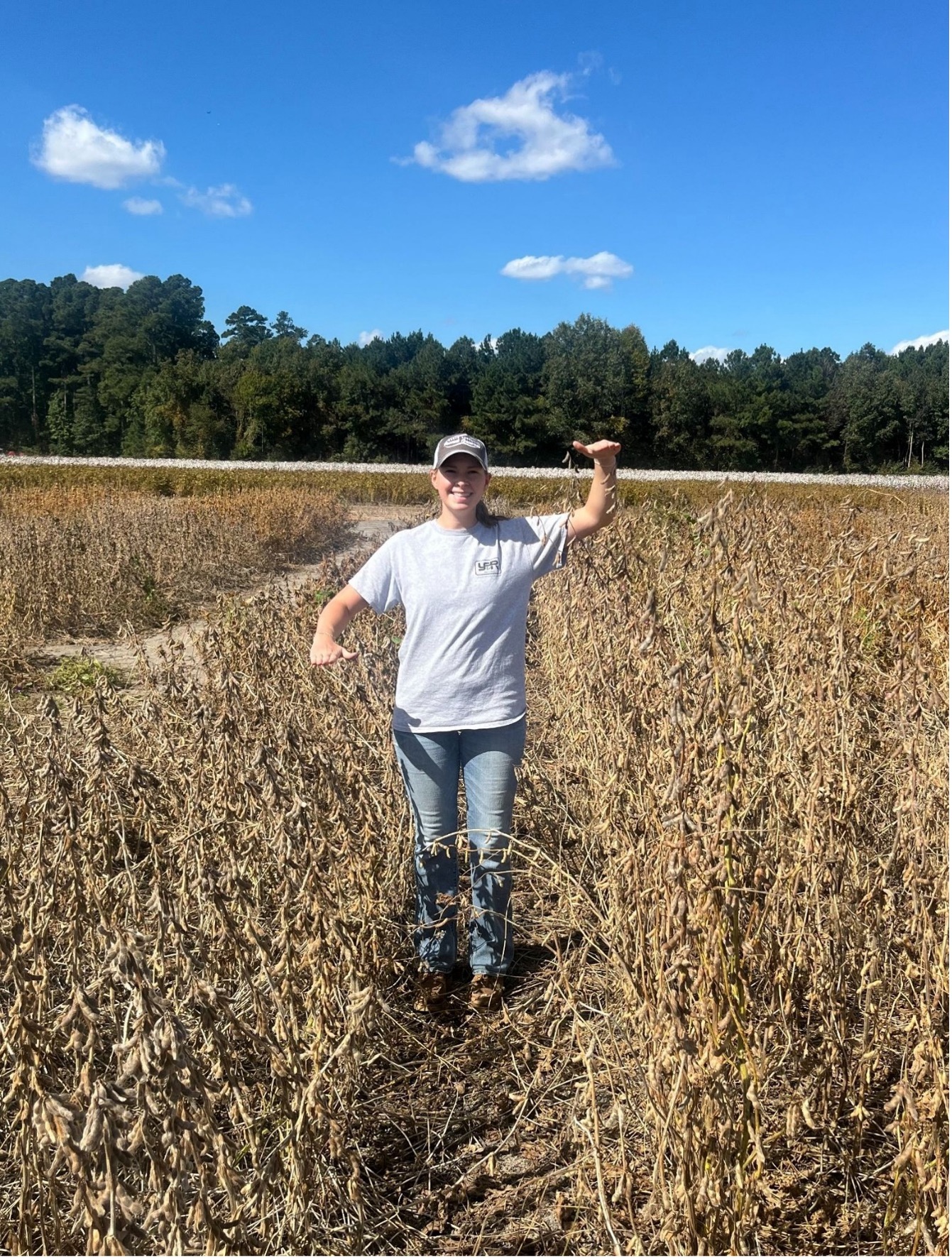
Based on these results, Vann recommends that farmers prioritize soybean traits like yield potential for their soils, herbicide system and disease resistance when selecting soybeans from traditional maturity groups. They shouldn’t expect an automatic yield bump from a higher maturity group with indeterminate growth habit.
For regional farmers interested in pushing limits, she recommends trying soybeans from earlier maturity groups in their best fields. However, for fields that will be managed as full-season soybeans from MG 5 or later with traditional planting and harvest timing, changing growth habit does not appear to add consistent value.
The results were similar for soybeans planted in June or July for double-crop or ultra-late production systems.
“We rarely observed a yield advantage from the indeterminate varieties over the determinate varieties,” Vann says.
Based on this research, farmers can focus on characteristics beyond growth habit as they select soybean varieties that best fit their fields and agronomic systems.
Additional Resources
Soybean Growth Habit Impact on Soybean Height, Nodes, and Yield in the Same Maturity Group – North Carolina Extension article
Long Juvenile Genetics Offer Potential Solution for Ultra-Late Soybeans – SRIN article
Development of Unique Soybean Varieties Fills Export Gap – SRIN article
Meet the Researcher: Rachel Vann SRIN profile | University profile
The Soybean Research & Information Network (SRIN) is funded by the Soy Checkoff and the North Central Soybean Research Program. For more information about soybean research, visit the National Soybean Checkoff Research Database.
Published: Mar 9, 2026


