

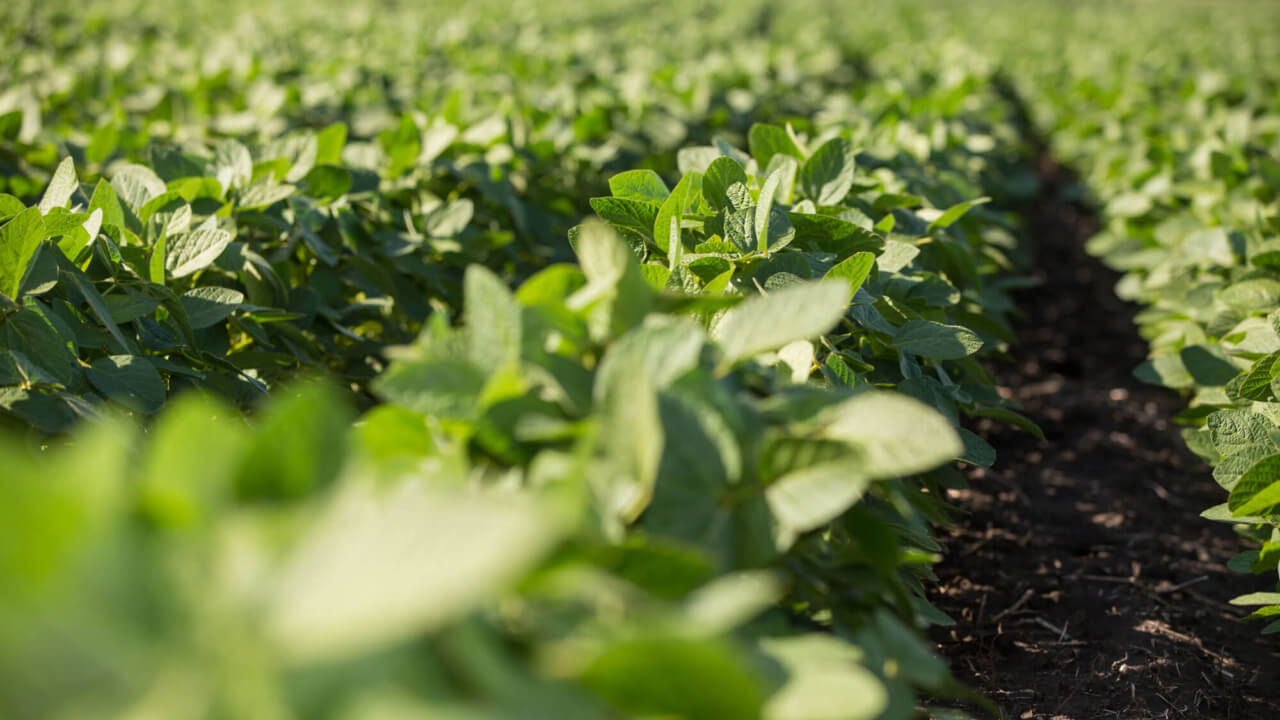
Asela Wijeratne – Soybean Research Profile
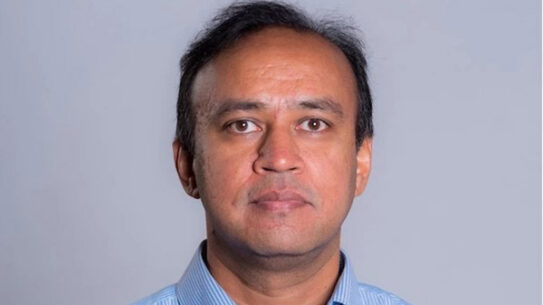
Asela Wijeratne, Associate Professor of Bioinformatics, Arkansas State University
Why did you decide to pursue a career that includes soybean research?
Soybeans are a major crop in the U.S., with many benefits. Working with this crop can have an incredible impact. Pathogens are among the biggest challenges to soybean production, so finding solutions protects yield and makes a difference in people’s lives.
What research topic have you completed in the past or are working on now that could have or has had the most significant impact on soybean production?
Research looking at additional genes that provide resistance to major diseases like sudden death syndrome and Phytophthora stem and root rots have potential to have the most impact on soybean production.
How has the Soy Checkoff enhanced your ability to find answers to production problems for farmers?
The Soy Checkoff helps a lot. Without support from the Mid-South Soybean Board, I wouldn’t be able to start much of the work I do. That start positions my program to request additional funding from other sources.
Within your area of expertise, what are the top two or three general recommendations you would offer farmers to improve their management practices?
- Use a combination of methods to manage pathogens, because they evolve faster than solutions get developed. Don’t rely on just one method, like genetics or fungicide, but use multiple tools to protect against diseases.
- Look at newer methods and technologies that can reduce the carbon footprint and chemical pollution of soybean production. New technologies are developing some cool ways to improve.
Within your area of expertise, what do you consider to be critical soybean research needs that can impact the profitability of famers in the future?
Research on precision farming is critical for farmers. Every field is different, and the distribution of diseases like sudden death syndrome isn’t even. Deeper understanding of precision farming would allow farmers to make more localized solutions for each field. Lots of technology and data integration would help them make precise decisions. However, to make progress, research efforts need to be integrated. In addition, I believe we need to upgrade education for farmers and agronomists so they are aware of new methods and technologies.
SRIN articles:
Building a Microbial Team to Fight Sudden Death Syndrome


